
Australia Shipping Modes: Sea vs Air with AUD 1,000 Threshold
Table of Contents
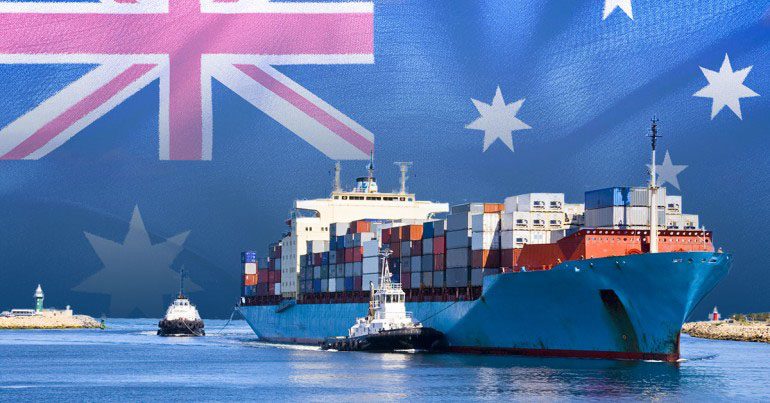
Australia offers the highest de minimis threshold among major economies at AUD 1,000. This means shipments valued below this amount are exempt from customs duty and the 10% Goods and Services Tax (GST) — a significant advantage for smaller Alibaba orders.
However, a critical change occurred in 2018: the low-value GST exemption was abolished. This means all imported goods, regardless of value, are now subject to 10% GST unless they qualify for the de minimis exemption on duty and tax combined.
This guide compares sea and air freight to Australia, explains the AUD 1,000 rule, and offers practical strategies for managing costs.
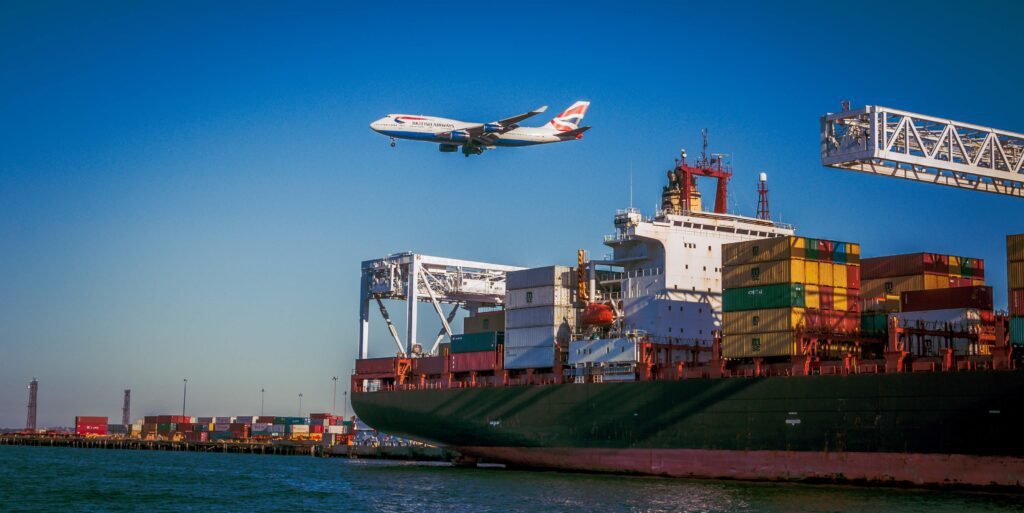
Quick Comparison: Sea vs Air
| Factor | Sea Freight | Air Freight |
|---|---|---|
| Transit Time | 20–40 days | 7–12 days |
| Cost | Lowest per kg | Highest per kg |
| Best For | Bulk, non-urgent shipments | Urgent, high-value goods |
| De Minimis | Applies below AUD 1,000 | Applies below AUD 1,000 |
| GST | 10% on value over AUD 1,000 (or all if under threshold but registered for GST) | 10% on value over AUD 1,000 |
Sea Freight: The Cost-Effective Choice
Transit Time and Routes
Sea freight from China to Australia typically takes 20–40 days, depending on the origin and destination ports. Direct sailings from major Chinese ports (Shanghai, Ningbo, Shenzhen) to Australian ports (Sydney, Melbourne, Brisbane, Fremantle) range from 12 to 19 days at sea, plus inland trucking and port handling.
| Route | Transit Time (days) |
|---|---|
| Shanghai–Sydney | 12–16 |
| Shanghai–Melbourne | 14–18 |
| Shenzhen–Sydney | 13–17 |
| Ningbo–Brisbane | 15–19 |
Door-to-door total: Add 3–5 days for final delivery by truck.
Cost Structure
Sea freight is the most cost-effective option for shipments over 1 CBM or 100 kg. LCL rates from China to Australia typically range from $150–$350 per CBM. For a 2 CBM shipment, expect freight costs of $300–$700.
Key cost components:
- Ocean freight (LCL or FCL)
- Port charges (terminal handling, documentation)
- Inland trucking to final destination
- Customs clearance and biosecurity inspection fees
Air Freight: Speed at a Premium
Transit Time
Air freight from China to Australia is fast, with typical transit times of 7–12 days door-to-door. Direct flights from major Chinese hubs (Shanghai, Guangzhou, Shenzhen, Hong Kong) to Australian airports (Sydney, Melbourne, Brisbane, Perth) take 8–12 hours. Add customs clearance, biosecurity inspection, and final delivery.
Cost Structure
Air freight is priced by chargeable weight (actual or volumetric, whichever is higher). For a 100 kg shipment, expect rates of $5–$10 per kg — significantly more than sea. A 2 CBM, 200 kg shipment could cost $1,000–$2,000 by air, compared to $300–$500 by sea LCL.
Best Use Cases
- Urgent restocks (stockout risk)
- High-value, compact goods (electronics, fashion)
- Samples and product testing
- Time-sensitive launches or promotions
The AUD 1,000 Threshold
What the Threshold Covers
The AUD 1,000 threshold is the de minimis level for customs duty and GST. Shipments valued at AUD 1,000 or less are generally exempt from customs duty and GST if they are for personal use or are low-value commercial goods.
But here is the catch: Since 1 July 2018, the GST low-value exemption was abolished for all imported goods — meaning the 10% GST applies to all commercial goods regardless of value, unless the goods are under the de minimis threshold for duty and GST combined.
How the Rule Works
| Shipment Value | Customs Duty | GST |
|---|---|---|
| AUD 950 or less | Exempt | Exempt (if under threshold) |
| AUD 1,001–1,500 | Applies | Applies |
| AUD 1,500+ | Applies | Applies |
Practical recommendation: Keep your single shipment value at or below AUD 950 to stay safely under the AUD 1,000 threshold and avoid unexpected duty and GST charges.
The “Split Shipment” Risk
Splitting a single order into multiple sub‑AUD 1,000 shipments to avoid duty is not a valid strategy. If the Australian Border Force (ABF) determines that multiple consignments were artificially split from a single commercial transaction, they can consolidate them and apply the full duty and GST — plus penalties.
GST: Always Applies
The 2018 Rule Change
Effective 1 July 2018, the Australian government removed the GST exemption for low-value imported goods. This change applied to all goods entering Australia by air or sea, with the aim of ensuring a level playing field for domestic retailers.
What this means for you: GST at 10% applies to all commercial goods, regardless of whether they are under the AUD 1,000 threshold, unless specifically exempted (e.g., duty-free concession for travellers). For shipments over AUD 1,000, GST is calculated on the duty‑paid value — i.e., the customs value plus any duty.
How GST Is Collected
| Threshold | GST Collection Method |
|---|---|
| AUD 1,000 or less | Generally collected at the border (DHL, FedEx, etc.) or by overseas seller through the LVIG (Low Value Imported Goods) scheme |
| Over AUD 1,000 | Collected by customs brokers through the import declaration process |
Key point: If you sell goods to Australian consumers via e‑commerce platforms, you may be required to register for GST in Australia and charge GST at checkout under the LVIG regime.
Practical Strategies for Alibaba Buyers
Strategy 1: Stay Under the Threshold
- Keep each commercial invoice value below AUD 950 to ensure you are safely under the AUD 1,000 threshold.
- Avoid splitting shipments artificially — this is a red flag for customs.
Strategy 2: Use Sea for Bulk, Air for Urgency
- Sea freight is the clear winner for shipments over 1 CBM. The cost difference is substantial.
- Air freight is best for shipments where time is critical, but be prepared for higher costs.
Strategy 3: Verify Your HS Code
Your product’s HS code determines whether biosecurity or other controls apply. Use our HS Code Lookup tool to verify your classification.
Strategy 4: Plan Your Transit Timeline
Use our Transit Matrix to compare shipping modes, estimate transit times, and build buffers for biosecurity clearance.
Decision Framework
Choose sea freight if:
- Shipment volume exceeds 1 CBM
- You have 30+ days of inventory runway
- Cost is your primary concern
- Product is non‑perishable
Choose air freight if:
- Shipment is urgent (stockout risk)
- Goods are high‑value or compact
- You are testing a new product
- Sample shipment
Hybrid strategy: Use sea for base inventory (70%), air for emergency restocks and new product tests (30%).
Conclusion
Australia’s AUD 1,000 de minimis threshold is generous — but since 2018, GST applies to all commercial goods regardless of value unless exempted. The key is to stay under the AUD 1,000 combined threshold for duty and GST to avoid costs.
For most Alibaba shipments to Australia, sea freight is the most cost‑effective option for bulk orders, while air freight is reserved for urgent shipments where cost is not the primary concern. Use our Transit Matrix to plan your shipment’s timeline, and HS Code Lookup to ensure your product classification is correct.