
Sample Orders from Alibaba: Do Small Shipments Need HS Codes?
Table of Contents
You have found a promising product on Alibaba. The supplier offers samples at a low price. You want to test quality before placing a bulk order.
Do sample orders from Alibaba need HS codes? Yes.
Even small shipments need proper product classification. This guide explains why HS codes matter for sample orders, how courier clearance works, and what you need to know about low-value thresholds.
What Happens When a Sample Shipment Arrives
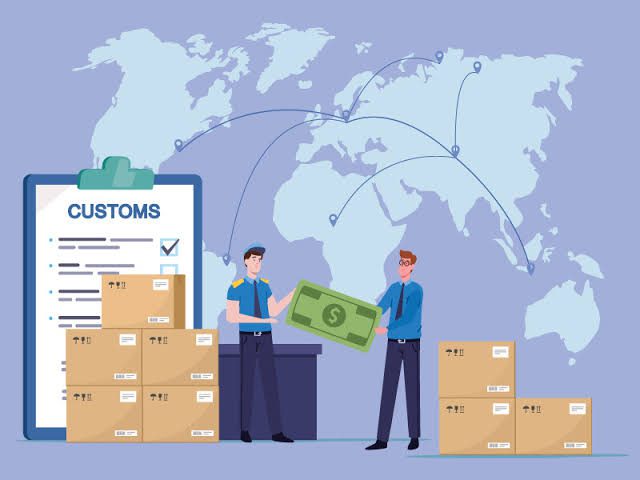
Courier Clearance Is Still Customs Clearance
When your sample ships via DHL, FedEx, or UPS, it does not skip customs. The courier acts as your customs broker. They handle the clearance process on your behalf .
The courier will:
- Submit the shipment details to customs
- Calculate any duties and taxes owed
- Pay those charges upfront
- Invoice you before or after delivery
This is not automatic approval. It is expedited clearance. The courier still needs accurate product information to file correctly.
Why the Courier Needs Product Details
The courier cannot clear your shipment without knowing what is inside. Customs authorities require proper classification to determine:
- Whether the product is restricted or prohibited
- What duty rate applies
- Whether special permits are needed
Even a single sample of a $3.60 product requires proper documentation . The courier will not guess your product classification.
Do Small Shipments Need HS Codes?
Understanding De Minimis Thresholds
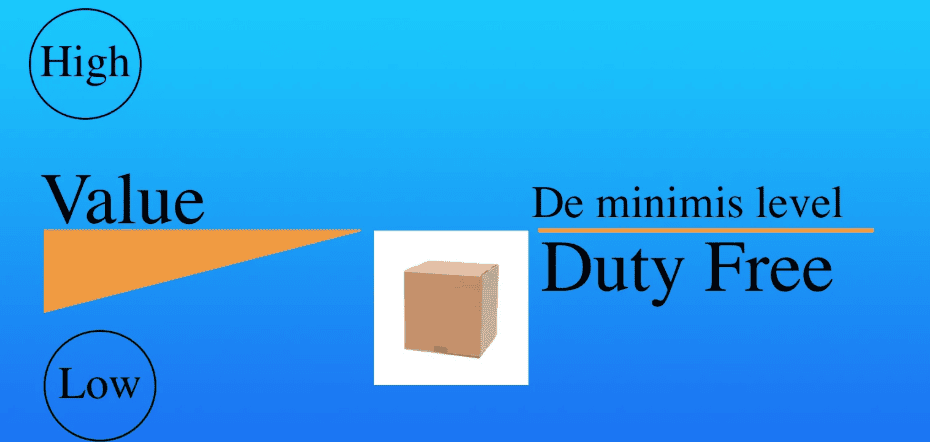
Many countries have low-value exemption thresholds.
These thresholds do not eliminate the need for product classification. They only exempt duty payment. Customs still requires accurate descriptions to verify eligibility.
HS Codes Below the Threshold
Even if no duty is payable, customs may need the HS code to:
- Check for import restrictions
- Verify the product matches the declaration
- Determine if the shipment qualifies for the exemption
- Assess whether the value is accurate
The threshold does not mean “no questions asked.” It means “no tax charged.” Accurate classification protects you if customs reviews your shipment.
What Should a Sample Invoice Include?
Required Elements for Smooth Clearance
Your supplier should provide a commercial invoice with the sample shipment. Include these details:
- Seller and buyer information
- Full product description (not just the Alibaba title)
- HS code (at least six digits)
- Quantity and unit price
- Total declared value
- Country of origin
Is “Sample” a Valid Description?
Some suppliers suggest declaring samples as “no commercial value” to avoid duties. This is risky .
Customs authorities are familiar with this practice. They may:
- Reject the declaration
- Assign a value based on their estimate
- Flag your shipments for future inspection
A sample is still a commercial transaction. You paid for the product. The invoice should reflect the actual value.
Accurate Descriptions Matter More Than Low Value
Customs authorities tax the actual commercial value, not what you write on paperwork. Under-declaring value can trigger audits and penalties .
The safer approach is accurate, transparent documentation. If the sample costs $20, declare $20. Pay any small duties owed. The cost of compliance is minimal compared to potential penalties.
Does the HS Code Need to Be Exact for Samples?
Six-Digit Level Is Usually Sufficient
The Harmonized System is standardized to six digits internationally . For sample shipments, the six-digit code is often enough.
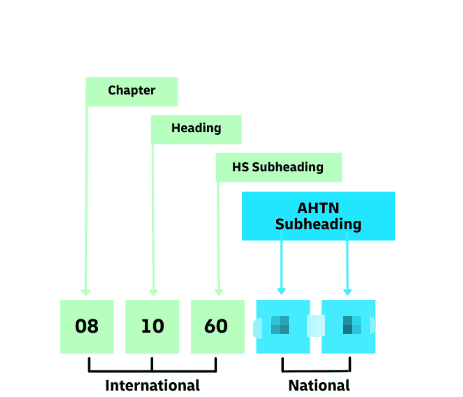
The courier can usually clear the shipment with:
- The six-digit HS code
- A clear product description
- The declared value and quantity
Your country may require additional digits for full tariff classification. However, for low-value express shipments, customs typically accepts six digits.
When Extra Digits Matter
For high-risk products, customs may require the full national tariff code. This includes:
- Electronics with batteries
- Products subject to anti-dumping duties
- Textiles and apparel
- Items with safety compliance requirements
If your sample falls into these categories, provide the most accurate code possible. Your courier will appreciate the clarity.
What Are the Risks of Skipping HS Codes?
Delays and Demurrage
Incorrect or missing HS codes can stop your shipment at the border. Customs may hold the package until they receive proper classification .
For express shipments, this typically means a day or two of delay. The courier will contact you for more information. You may pay additional storage fees.
Compliance Issues
Repeated classification errors can trigger customs audits. Small importers can face significant scrutiny if customs questions their declarations .
The cost of proper classification is minimal. The cost of getting it wrong can be significant.
A Practical Workflow for Sample Orders
Before You Order the Sample
- Ask the supplier for technical details: Material, function, components, and specifications
- Look up possible HS codes: Use a classification tool or consult a customs broker
- Confirm the description with your supplier: Ensure the invoice matches what you ordered
- Know your de minimis threshold: Understand whether duty will apply
When the Sample Arrives
- Inspect the product: Verify it matches the description
- Keep the documentation: Store the invoice, HS code, and shipping records
- Test and evaluate: Use the sample to decide on bulk orders
Conclusion
Small shipments do not mean small compliance obligations. Your sample order crosses a border. That border requires classification.
The good news is that sample clearance is usually straightforward:
- The courier handles customs entry
- De minimis thresholds may waive duties
- Accurate descriptions prevent delays
The better news is that learning HS codes on samples prepares you for bulk orders. You will already know your classification. You will have documentation ready. Your entire import process becomes smoother.