
Transit Time from China to USA: Air, Sea & Rail Timelines
China to US shipping transit time decides everything downstream: when you can list inventory, how fast cash turns over, and how much working capital sits trapped in transit. This guide outlines realistic 2026 timelines across ocean, air, and express freight—plus the hidden bottlenecks that quietly add days to your schedule.
Ocean freight transit times
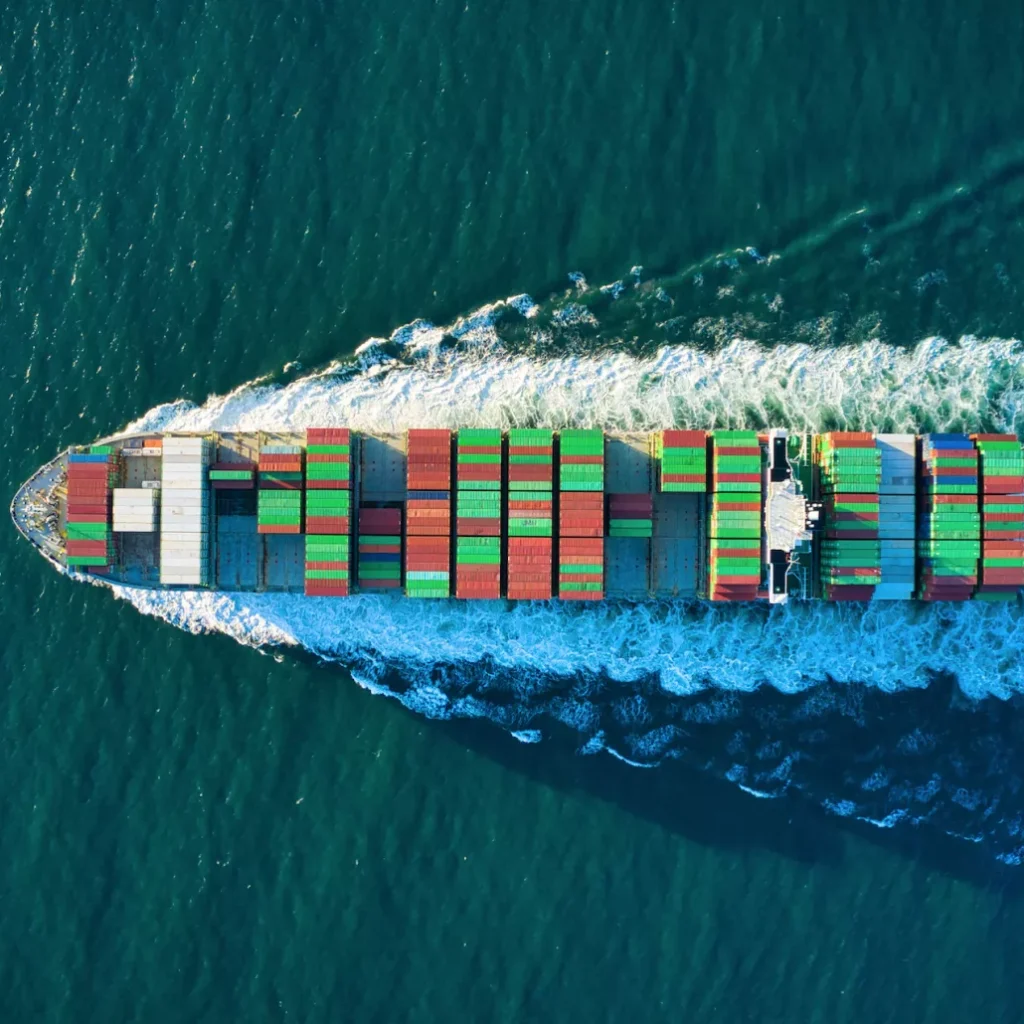
Ocean is slow but cheap. Port-to-port estimates from major China ports:
| Destination | Transit time | Notes |
|---|---|---|
| US West Coast (Los Angeles / Long Beach) | 16–20 days | Fastest ocean lane |
| US East Coast (via Panama) | 25–30 days | Longer, but one carrier |
| US East Coast (West Coast + rail) | 21–25 days | Split ocean + inland rail |
Add 3–7 days of destination handling, customs clearance, and drayage before goods reach your warehouse.
Air freight transit times
Air is for when time beats cost. Expect:
- Air freight ( airport-to-airport ): 3–7 days including trucking to the airport, consolidation, and clearance.
- Express courier (DHL / FedEx / UPS): 2–5 days door-to-door, but priced per kilo and capped on size.
What actually adds days
- Port congestion at LA/LB or Shanghai can add a week.
- Documentation errors — a wrong HTS code or missing ISF triggers holds.
- Customs examination, more likely for new importers or sensitive goods.
- Holidays — Chinese New Year shuts factories and ports for weeks.
Ocean vs air: when each wins
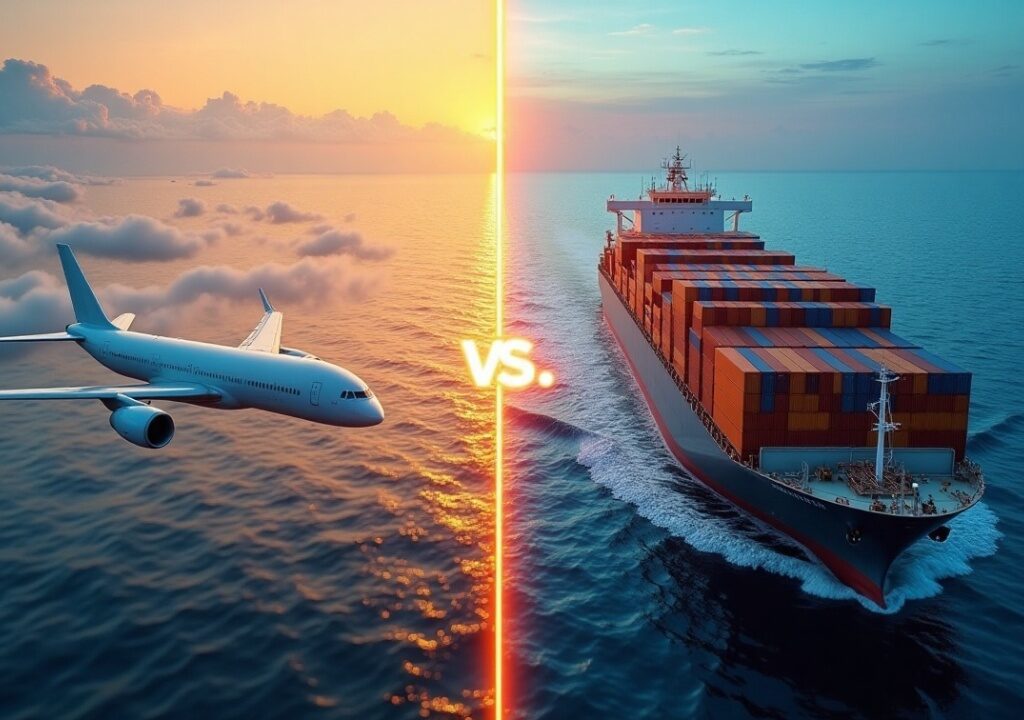
Choose ocean when margin matters and demand is steady. Choose air when a stockout costs more than the freight, or for a product launch with a fixed date. A practical rule: if the goods are worth less than the air freight to move them, ocean almost always wins.
Estimate your own timeline
Use the Transit Matrix to compare lanes, and the Volume Calculator to size the shipment. For a firm number tied to your supplier’s city and your warehouse, request a quote through Get a Quote.
Bottom line
Speed costs money; delays cost working capital.
- The Decision Rule: Fly it if a stockout burns more cash than the freight premium. Sail it when margins are tight, demand is predictable, and your inventory runway can handle the float.
- The Reality on Transit: Pure port-to-port ocean runs 16–30 days, but always factor in 3–7 extra days for destination handling, customs, and drayage before freight hits your warehouse. For speed, air and express guarantee 2–7 days door-to-door.
- Bake In the “Quiet Delays”: Never schedule on best-case scenarios. Build a 5–10 day buffer into ocean lead times to absorb customs holds, paperwork hiccups, port bottlenecks, and holiday lulls.