
HS Codes for Import From China: A Buyer’s Guide for Alibaba and 1688 Imports
Table of Contents
When buying products from Alibaba or 1688, many international buyers focus on supplier prices, shipping costs, and delivery times. However, one important detail can directly affect your import cost and customs clearance: finding the correct HS codes for import from China.
An HS code is not just a number written on shipping documents. It determines how customs authorities classify your goods, calculate import duties, and apply regulatory requirements. Choosing the wrong classification can lead to shipment delays, unexpected taxes, or additional customs checks.
What Are HS Codes for Import From China
Why do imported products need HS codes?
HS code stands for Harmonized System code. It is an internationally recognized classification system used to identify traded goods.
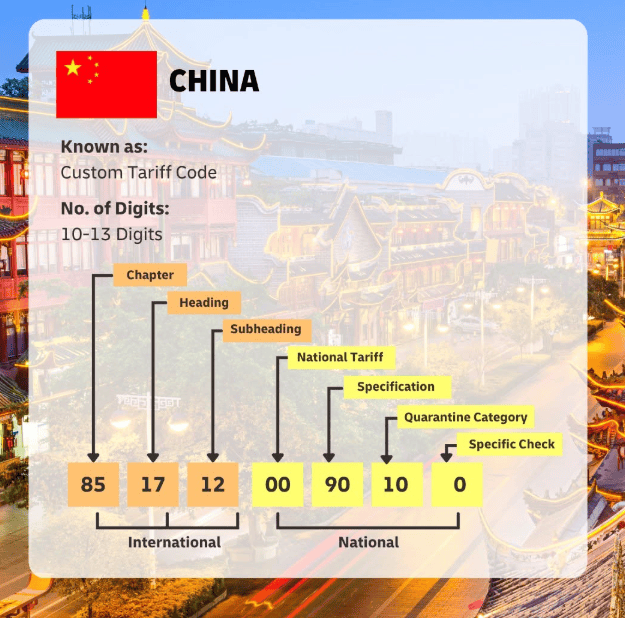
Every imported product must be assigned a code based on factors such as:
- Product type
- Material composition
- Main function
- Intended use
- Level of processing
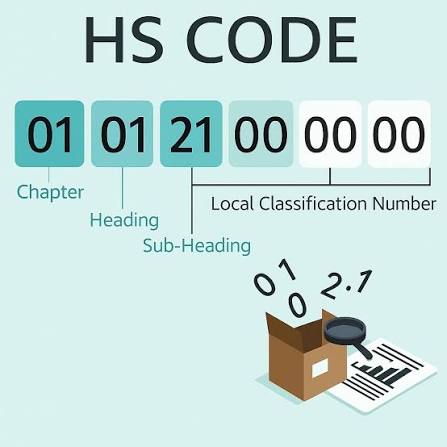
The first six digits of an HS code follow the international Harmonized System standard. Many countries then add additional digits to create their own tariff classification systems. For example, the United States uses HTS codes, which extend beyond the six-digit HS structure.
For importers, the HS code helps determine:
- Import duty rates
- Customs requirements
- Product restrictions
- Documentation requirements
- Trade statistics
Why Are HS Codes Important When Buying From Alibaba or 1688?
Can I simply use the HS code provided by my supplier?
Many Alibaba and 1688 suppliers provide a suggested HS code. However, buyers should not automatically assume that the supplier’s code is correct for their destination country.
A Chinese supplier usually classifies products based on export requirements from China. Your local customs authority classifies goods according to your country’s import regulations.
The same product may have:
- A China export classification
- A six-digit international HS code
- A different destination-country tariff code
For example, a supplier may provide a six-digit HS code, but a US importer may need the corresponding HTS code with additional digits for customs entry.
A supplier’s HS code is a useful starting point, but importers should verify it before shipping.
How Can You Find HS Codes for Products Bought From China?
Step 1: Collect detailed product information
The biggest mistake buyers make is searching for an HS code using only a general product name.
For example:
“Phone accessory”
is usually not enough information.
Customs classification may depend on:
- The exact product function
- Material used
- Whether it is finished or unfinished
- Technical specifications
- Intended application
Before looking up an HS code, ask your supplier for:
- Product name
- Material details
- Product specifications
- Product photos
- Main function
- Packaging information
- Existing HS code suggestion
Detailed product descriptions improve classification accuracy.
Step 2: Check the product category
HS codes are organized into sections, chapters, headings, and subheadings.
A product’s classification usually starts by identifying the correct category.
For example:
- Electronics may fall under electrical machinery categories
- Clothing depends on fabric type and garment construction
- Furniture depends on material and design
- Plastic products depend on composition and usage
The HS system contains thousands of product classifications, so choosing the closest product description is important.
Step 3: Verify the destination country’s tariff code
Are China HS codes the same as US or European import codes?
No.
This is one of the most common mistakes among first-time importers.
The international HS system provides a common foundation, but countries can add extra digits for their own customs systems.
Examples:
- China uses its own extended tariff classification
- The US uses HTS codes
- The European Union uses CN codes
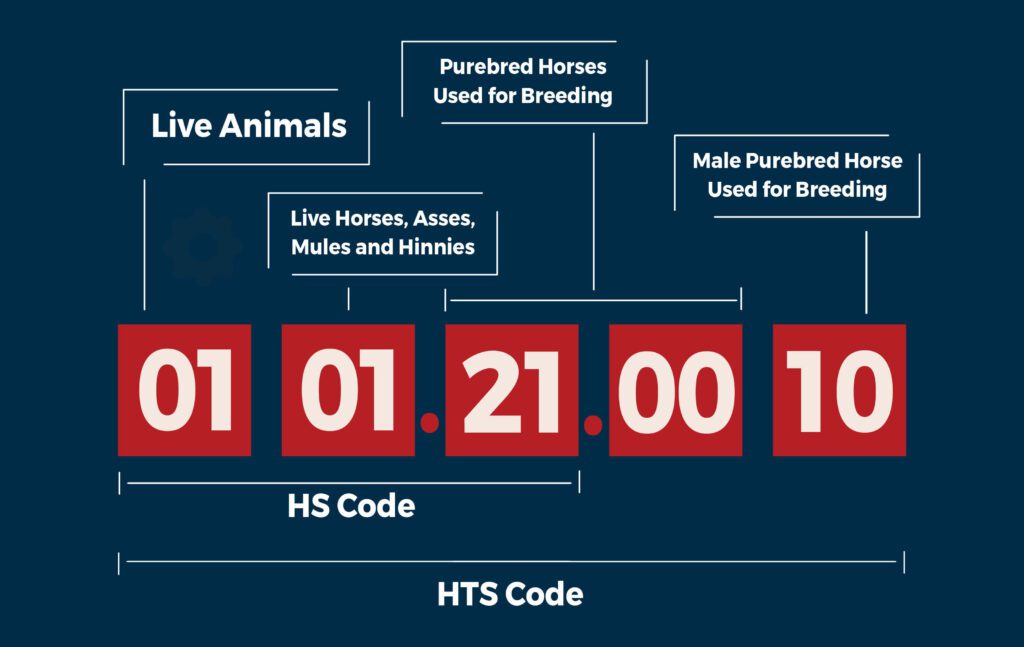
Therefore, when importing from China, you should always check the classification used by the country where the goods will enter.
What Happens If You Use the Wrong HS Code?
Can an incorrect HS code cause customs problems?
Yes.
Using an incorrect HS code may create several issues:
- Incorrect duty calculation
- Customs inspection delays
- Additional documentation requests
- Shipment holds
- Reclassification by customs authorities
For example, two similar products may have different duty rates because they are made from different materials or have different functions.
A small classification difference can affect your final landed cost.
This is why HS code research should happen before shipping, not after goods arrive at the destination port.
How Do HS Codes Affect Import Costs From China?
Does an HS code determine how much duty I pay?
In many cases, yes.
Your total import cost is influenced by:
- Product value
- HS classification
- Applicable duty rate
- Additional tariffs or taxes
- Customs fees
- Shipping costs
For Alibaba and 1688 buyers, checking HS codes early helps estimate the real landed cost of a product.
A product that looks cheap from a supplier may become less profitable after:
- Import duty
- Customs fees
- Freight charges
- Local delivery costs
Understanding HS codes allows buyers to calculate more accurate product margins before placing orders.
Common HS Code Mistakes Made by China Importers
Mistake 1: Using only the supplier’s product name
Product names on Alibaba or 1688 are often marketing descriptions, not customs descriptions.
A product title such as:
“Smart LED Lamp”
does not provide enough classification information.
Customs may need details about:
- Lighting technology
- Power source
- Components
- Intended use
Mistake 2: Assuming one HS code works worldwide
HS codes are internationally connected, but import regulations differ by country.
Always confirm the final import classification based on your destination market.
Mistake 3: Checking HS codes after shipment
Waiting until goods are already shipped creates unnecessary risk.
Before confirming your order, verify:
- Product classification
- Duty impact
- Required documents
- Import restrictions
How Can a Buyer Simplify HS Code Research?
For small importers, the easiest approach is to create a simple workflow:
- Get detailed product information from your supplier.
- Find a possible HS classification.
- Confirm the destination-country tariff code.
- Estimate duties and shipping costs.
- Prepare customs documents before shipment.
Using an HS code lookup tool can make this process faster, especially when importing multiple products from different Chinese suppliers.
Final Thoughts: HS Codes Are Essential for China Import Success
For Alibaba and 1688 buyers, understanding HS codes for import from China is a key part of successful international sourcing.
HS codes influence customs clearance, import duties, and the final cost of your products. While suppliers can provide useful classification information, importers should always verify codes based on their destination country and product details.
A correct HS code helps you avoid surprises, calculate accurate costs, and build a more reliable China sourcing process.
Before your next shipment, identify your product classification early, verify your HS code, and include customs planning as part of your purchasing strategy.