
How to read a bill of lading
A bill of lading (B/L) is three things at once: the carrier’s receipt for the goods, the contract of carriage, and for an ocean B/L — a document of title. You must present the original B/L or execute a telex release to take possession of the cargo. Reading it correctly protects you from disputes and demurrage fees.
| Field | What to verify |
|---|---|
| Shipper / Consignee | You or your broker — not the factory |
| Vessel & voyage | Matches your booking |
| Port of loading / discharge | Correct route |
| Container & seal no. | Matches the seal at stuffing |
| Description & weight | Matches the commercial invoice |
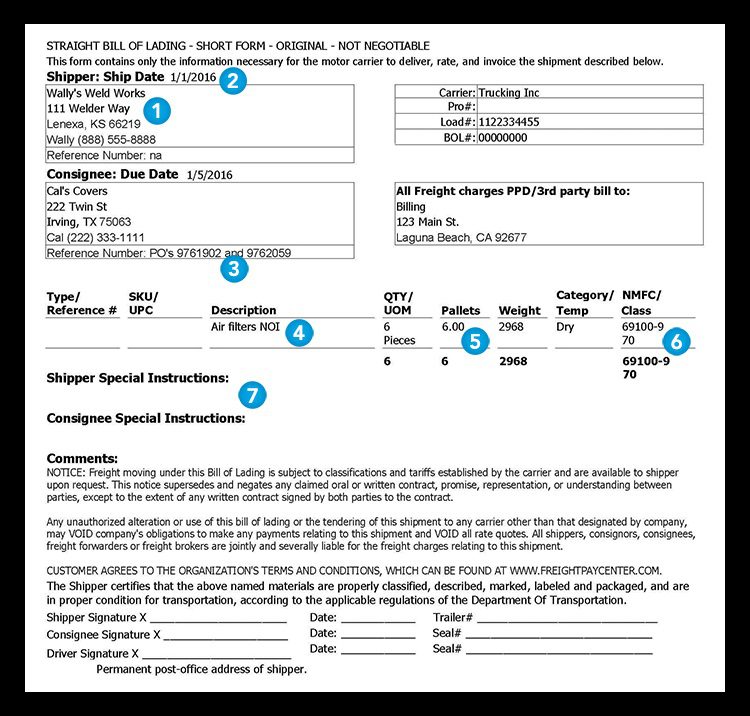
Types of B/L you must know:
- Negotiable Ocean B/L (Original): Requires physical paper documents to release the cargo. Used when banks handle payments (e.g., L/C).
- Telex Release: The carrier releases the cargo electronically without paper documents. Faster and safer for most regular buyers.
- House B/L vs. Master B/L: Your forwarder issues the House B/L to you; the shipping line issues the Master B/L to your forwarder. Always ask for the Master B/L details if you want direct tracking.
- If your goods were merged from several suppliers, read our consolidation basics guide first.